Search-a-brandPowered by BRANDSMITHS
Search-a-brand assists you in researching, choosing and building a brand for your company, service or product. Try it out and search with the intended name!
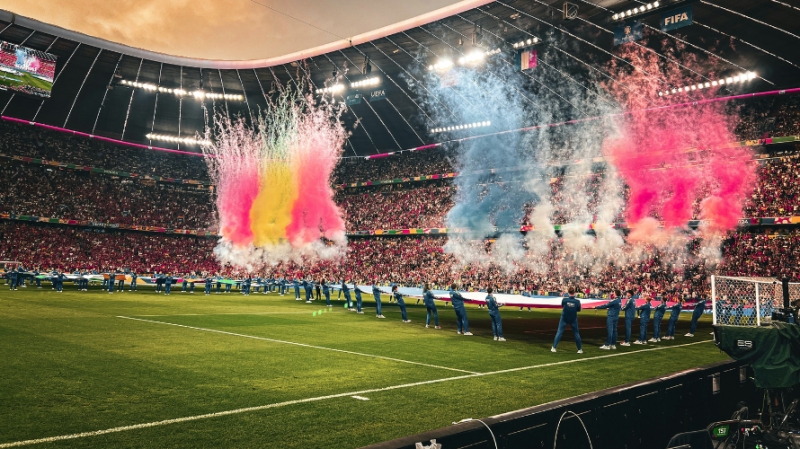
PLAYING BY THE RULES: IP AND AMBUSH MARKETING AT THE 2026 FIFA WORLD CUP
Author: katie-moruzzi-
The 2026 FIFA World Cup begins on 11 June, running across 16 stadiums in the United States, Canada and Mexico until the final on 19 July. With 48 teams and 104 matches, it will be the largest edition of the tournament to date, and the commercial activity surrounding it reflects that scale.
Protecting the value of its sponsorship programme is central to FIFA’s business model. Its intellectual property framework is designed accordingly. For official sponsors, the priority is safeguarding the exclusivity they have paid for. For non-official brands, the question is how far they can engage with the tournament without crossing into ambush marketing.
FIFA’s IP framework
FIFA maintains a broad IP portfolio, comprising a wide range of registered trade marks and brand assets. These include FIFA®, FIFA World Cup™, the tournament logo, trophy design, mascot, official slogans, and host city combinations such as “We Are 26” and Copa Mundial™. Copyright protection operates separately, covering official artwork, typography, photography and match footage.
FIFA’s published guidelines ahead of the tournament set out the scope of sponsor rights and warn against unauthorised use of protected assets. Notably, the framework is not limited to direct use of those marks. FIFA has deliberately built its IP framework to capture ambush marketing, so activity that implies an unauthorised association with the tournament can fall within scope even where no protected mark has been used.
This has practical consequences. Advertisers should avoid using FIFA-protected marks in advertising, hashtags, domain names or merchandise. Commercially branded tournament countdowns and ticket-based promotions are also prohibited unless specifically authorised. In addition, “Clean Zones” around each of the 16 venues restrict advertising and promotional activity in the immediate vicinity of stadiums. These are typically enforced through a combination of local legislation, ticketing terms and accreditation conditions.
Understanding where the line is
For any non-sponsor campaigns, the key question is whether an implied association with the tournament could mislead consumers into believing there is an official relationship with the tournament.
In practice, ambush marketing tends to fall into three forms:
- Ambush by association is the most common. These campaigns avoid the use of protected marks but rely on football-related imagery, tournament-adjacent language, or player names and to imply an official connection without ever triggering protected trade marks. A drink brand, for example, might sign several of the tournament's most recognisable players and run a campaign built around themes of national pride and summer football, stopping just short of any protected terminology.
- Ambush by intrusion involves gaining unauthorised exposure at or around the event itself, for example, through billboard placement, aerial advertising or distributing branded products to fans. Bavaria’s use of branded promotional activity during the 2010 World Cup remains a well-known example, with 36 women ejected from a game due to wearing orange dresses associated with the beer brand. Two of the women nearly faced a jail term as a result, and English football commentator and former footballer Robbie Earle was sacked from his role at ITV for passing his tickets on to the group.
- Opportunistic ambush covers campaigns timed to coincide with a major tournament, designed to ride the wave of public interest and cultural moment without any official connection. The most notable example is Zippo's response to the Sochi 2014 Winter Olympic torch relay, where the flame disappeared and was caught on camera being relit by one of their lighters. Zippo immediately posted the image on social media with the hashtag #ZippoSavesOlympics.
The UK framework
In the UK, ambush marketing disputes typically engage three main causes of action:
- Trade mark infringement is the most straightforward. Use of FIFA’s registered marks, or confusingly similar signs, in the course of trade without consent is likely to infringe.
- Copyright infringement arises where official content is used without permission. This includes tournament graphics, photography, footage or other creative assets taken from FIFA’s official channels. Reproducing match footage, using official tournament graphics, or lifting creative assets from FIFA's official channels without permission can all give rise to a claim.
- Passing off is particularly important in this context because it does not depend on the use of a registered mark. To succeed, FIFA or a sponsor would need to establish goodwill in the relevant asset, a misrepresentation by the defendant that creates confusion in the minds of consumers, and damage as a result. The real battleground is misrepresentation: does the overall impression of the campaign suggest an official association that does not exist? If so, a passing off claim may well follow.
Alongside these rights, the CAP and BCAP Codes provide an additional route for enforcement. The ASA has previously ruled against campaigns that created a misleading impression of a sponsorship relationship. ASA complaints are faster and cheaper to bring than litigation, which makes them a practical first step for rights holders and a real risk for brands whose campaigns push boundaries.
Practical considerations
For businesses planning activity around the tournament, the key is to assess campaigns against these legal and regulatory frameworks before launching. A campaign that avoids FIFA's listed prohibited activities can still infringe a registered mark, reproduce protected content, or misrepresent an association.
Legal clearance based on the actual risk of infringement or breach is the only reliable protection.
How we can help
We advise official sponsors, sports brands, FMCG companies, agencies and in-house teams on all aspects of major event IP, from trade mark portfolio strategy and campaign clearance through to enforcement.
If you are planning a campaign around the 2026 World Cup and would like to discuss your approach, please get in touch.




























Brandsmiths is a trading name of Brandsmiths S.L. Limited which is authorised by the Solicitors Regulatory Authority, SRA No: 620298. Founding Partner: Adam Morallee
Privacy and Cookie Policy | Terms and Conditions | Complaint Procedure | Site by: Elate Global