Search-a-brandPowered by BRANDSMITHS
Search-a-brand assists you in researching, choosing and building a brand for your company, service or product. Try it out and search with the intended name!
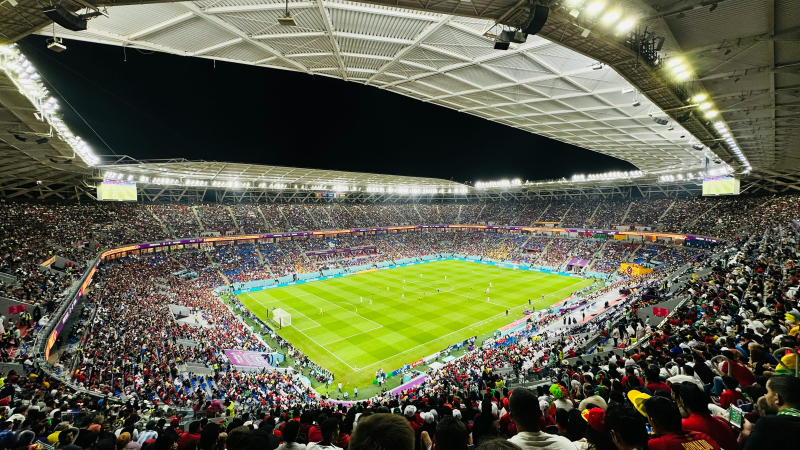
FIFA’S DISCIPLINARY CODE: THE 60-DAY ENFORCEMENT DEADLINE COMING IN JANUARY 2027
Author: nilo-effori-
FIFA's January 2027 Disciplinary Code introduces a new 60-day enforcement route for final and binding decisions issued by recognised national dispute resolution chambers. We break down what is changing, why it matters, and what member associations, clubs, creditors and their advisers should do now.
FIFA's Disciplinary Code has been through two rounds of amendments in the space of a year, and it's easy to conflate the two. Only one substantive change takes effect in January 2027 -everything else being described as part of the "new Code" entered into force and has been binding since 1 May 2026.
What’s changing in January?
The January 2027 edition makes two article 21 amendments, both focused on domestic enforcement:
- First, member associations’ duty to enforce national decisions is confined to decisions that are final and binding. That protects debtors against sporting enforcement while an appeal is still live.
- Second, where a recognised NDRC has issued a final and binding decision and the association fails to enforce it within 60 days, the FIFA Disciplinary Committee becomes automatically competent to enforce it against the club or individual concerned.
This change sits alongside FIFA’s wider January 2027 regulatory reforms, including the transfer-rule changes covered in our related article, FIFA’s transfer rulebook is changing: what clubs, players and agents need to know. Together, the reforms show FIFA moving towards a more interventionist and structured regulatory model across both transfer and disciplinary matters.
Why does it matter?
The significance is practical. Until now, FIFA has largely dealt with inactive federations by fining them, which may achieve little where the debtor is one of the federation’s own members. Under the 2027 mechanism, if a federation does not act within 60 days, FIFA can enforce over its head. For creditors, that is a clearer and more credible route to enforcement. It is also a meaningful shift of authority from the national to the international level.
What should clubs, associations, players and agents do now?
Member associations and leagues
Build a 60-day enforcement process before 1 January 2027. Identify which of your domestic bodies qualify as recognised NDRCs, map when their decisions become final and binding, and put a monitored calendar behind them. Inaction now risks FIFA stepping in, not just a fine.
Clubs and other debtors
Review outstanding NDRC decisions and treat unpaid awards as potential FIFA registration-ban exposure.
Creditors – clubs, players, coaches and agents
If you hold a final and binding NDRC decision that your federation has not enforced, the 60-day backstop gives you a clearer route to FIFA enforcement than existed before. Keep a record of when the decision became final and binding, so you can identify when the 60-day clock starts running.
Counsel and in-house teams
Map which domestic chambers your organisation deals with against the "recognised NDRC" requirement and build the 60-day clock into your case-management calendar alongside existing deadlines.
Points to watch
The drafting of the new mechanism leaves genuine uncertainty. Four points will need careful handling once the rule is in force:
- Does the creditor still have to ask? Article 21.2 requires a creditor’s request before financial enforcement begins. Articles 21.6 and 21.7 say the Disciplinary Committee becomes "automatically competent". The better view is that a request remains necessary, since both paragraphs direct enforcement "in accordance with this article", but the point is untested.
- Which chambers qualify? The Code says a chamber "recognised in accordance with the applicable FIFA regulations" without identifying the instrument or publishing a list.
- How is the 60 days proved? Nothing in the text specifies what evidence establishes that the period has run, or that the underlying national decision is final and binding.
- Does the mechanism reach decisions already unenforced? Whether the backstop is available from 1 January 2027 in respect of chamber decisions whose 60 days expired earlier is not addressed by the text.
How we can help
We advise clubs, associations, players, coaches and agents in proceedings before the FIFA Football Tribunal, the FIFA Disciplinary Committee and the Court of Arbitration for Sport, and on the enforcement of financial decisions across jurisdictions.
If you hold an unenforced national chamber decision, or you are a federation that will need an enforcement process in place by 1 January 2027, we would be glad to discuss it. Get in touch with our team today.
This article is based on the official English texts of the FIFA Disciplinary Code, including the May 2026 and January 2027 editions. References are to the January 2027 edition unless stated otherwise. The January 2027 edition was approved by the Bureau of the Council; readers should confirm the position on ratification by the full Council before relying on it. For further background on FIFA’s January 2027 transfer reforms, see Brandsmiths’ related article. This article is for general information only and does not constitute legal advice. Specific advice should be taken on any particular matter.












































Brandsmiths is a trading name of Brandsmiths S.L. Limited which is authorised by the Solicitors Regulatory Authority, SRA No: 620298. Founding Partner: Adam Morallee
Privacy and Cookie Policy | Terms and Conditions | Complaint Procedure | Site by: Elate Global